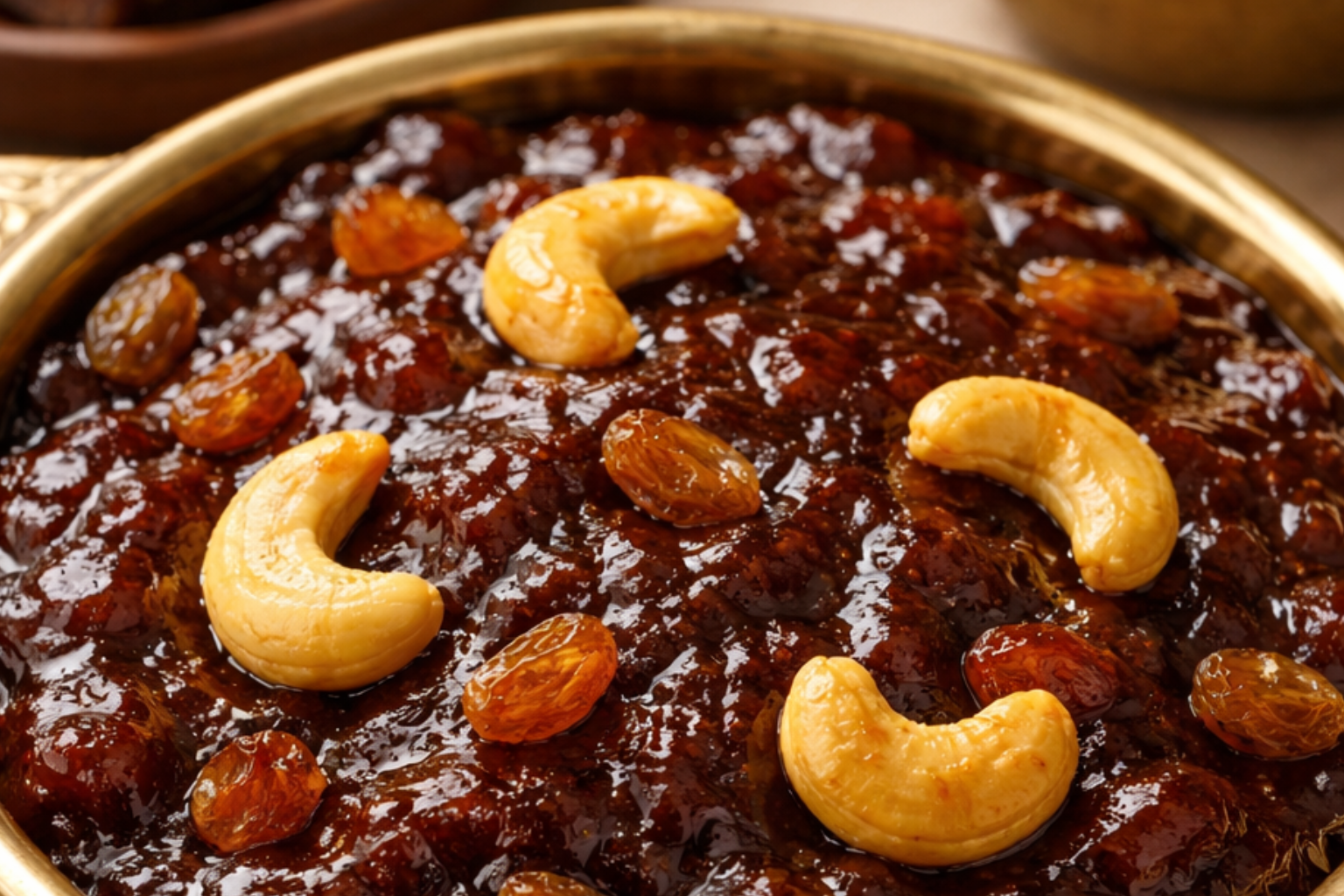
Karupatti Halwa is a traditional South Indian sweet made using karupatti (palm jaggery) instead of refined sugar. Known for its deep caramel-like flavor, rich aroma, and soft, glossy texture, this halwa is not just a dessert — it is a healthier alternative rooted in Tamil heritage.
Unlike regular halwa prepared with white sugar, karupatti halwa carries the goodness of natural minerals and iron, making it a favorite among families who want tasty yet nourishing sweets.
In this blog, you will learn what makes karupatti halwa special, its health benefits, ingredients, step-by-step recipe, and expert tips to get perfect results every time.
What is Karupatti?
Karupatti, also called palm jaggery, is made from the sap of palm trees. It is prepared traditionally without chemicals or refining processes. Because it is less processed than white sugar, it retains essential nutrients like:
-
Iron
-
Calcium
-
Magnesium
-
Potassium
This natural sweetener has been used in South Indian households for centuries in sweets, coffee, herbal remedies, and postpartum nutrition.
When used in halwa, karupatti gives a deep brown color, earthy sweetness, and rich taste that sugar cannot match.
Why Choose Karupatti Halwa Over Sugar Halwa?
Most sweets today use refined sugar, which provides only empty calories. Karupatti halwa stands apart because it combines indulgence with traditional nutrition.
Key Advantages
1. Rich in Iron
Palm jaggery is known to help improve hemoglobin levels, making this sweet a better option than refined desserts.
2. Natural Sweetener
No chemical bleaching or heavy refining is involved in karupatti production.
3. Easier on Digestion
Karupatti is believed to support digestion and reduce bloating compared to white sugar.
4. Traditional Energy Booster
In rural households, palm jaggery sweets were given for strength and stamina.
5. Unique Flavor
Karupatti adds a smoky, caramel taste that gives halwa a premium, authentic feel.
Ingredients for Karupatti Halwa
Here is a classic wheat-based karupatti halwa recipe.
Main Ingredients
-
1 cup whole wheat flour
-
1 to 1½ cups grated karupatti (adjust sweetness)
-
3 cups water
-
½ cup ghee
-
8–10 cashew nuts
-
1 tablespoon raisins
-
3–4 cardamom pods (powdered)
Optional: A pinch of dry ginger powder for enhanced traditional flavor.
Step-by-Step Karupatti Halwa Recipe
Step 1: Prepare Wheat Milk
-
Soak whole wheat for 6–8 hours.
-
Grind it with water into a smooth paste.
-
Strain the milk using a cloth or fine sieve.
-
Let it rest for 6 hours. Thick wheat milk will settle at the bottom.
-
Remove the excess water from the top carefully.
This extracted wheat milk is what gives halwa its signature smooth texture.
Step 2: Melt the Karupatti
-
In a pan, add grated karupatti and ½ cup water.
-
Heat gently until it dissolves.
-
Strain to remove impurities like sand or fibers.
Keep the syrup aside.
Step 3: Cook the Halwa
-
Pour the wheat milk into a heavy-bottomed pan.
-
Cook on medium flame, stirring continuously to avoid lumps.
-
Once it thickens slightly, add the filtered karupatti syrup.
-
Continue stirring; the mixture will start to darken and thicken.
This stage requires patience — continuous stirring ensures smooth, glossy halwa.
Step 4: Add Ghee Gradually
-
Start adding ghee little by little while stirring.
-
The halwa will begin to leave the sides of the pan.
-
Its texture will turn shiny and elastic.
Step 5: Add Flavor and Nuts
-
Fry cashews and raisins in ghee separately.
-
Add them to the halwa along with cardamom powder.
-
Mix well and cook until the halwa forms a soft mass.
Step 6: Set and Serve
-
Transfer to a greased plate.
-
Let it cool slightly.
-
Cut into pieces or serve warm with extra ghee.
Tips for Perfect Karupatti Halwa
-
Always use pure, dark karupatti for best taste and color.
-
Stir continuously to avoid burning.
-
Use a thick pan to prevent sticking.
-
Adding ghee slowly improves texture and shelf life.
-
Do not rush cooking — slow cooking gives authentic flavor.
Health Benefits of Karupatti Halwa
Though halwa is still a sweet dish, using karupatti offers some nutritional advantages.
1. Supports Iron Levels
Palm jaggery is traditionally used to help with iron deficiency.
2. Better Alternative to Refined Sugar
It does not undergo chemical bleaching.
3. Provides Natural Energy
The complex carbohydrates give sustained energy.
4. May Aid Digestion
Karupatti is believed in traditional medicine to help cleanse the digestive system.
5. Winter-Friendly Sweet
Palm jaggery is considered warming and is commonly consumed during colder seasons.
When to Enjoy Karupatti Halwa
-
Festival sweets (Diwali, Pongal, Karthigai)
-
Postpartum nutrition (traditional practice)
-
Evening snack with herbal tea
-
Special homemade dessert without refined sugar
Storage Tips
-
Stays fresh 2–3 days at room temperature
-
Refrigerate for up to 1 week
-
Reheat with a spoon of ghee before serving
Final Thoughts
Karupatti Halwa is more than just a dessert — it represents traditional wisdom, natural ingredients, and rich South Indian culinary heritage. By replacing sugar with palm jaggery, you not only enhance taste but also bring back a healthier sweet option into your home.
If you are looking for a sweet that balances flavor, culture, and better ingredients, karupatti halwa is a perfect choice.
Learn more about karupatti benefits